Supreme Court to Hear Plea Seeking Suspension of CEC Gyanesh Kumar
Yesterday, the Supreme Court agreed to list a petition next week that seeks to suspend Chief Election Commissioner Gyanesh Kumar from office pending a final hearing.
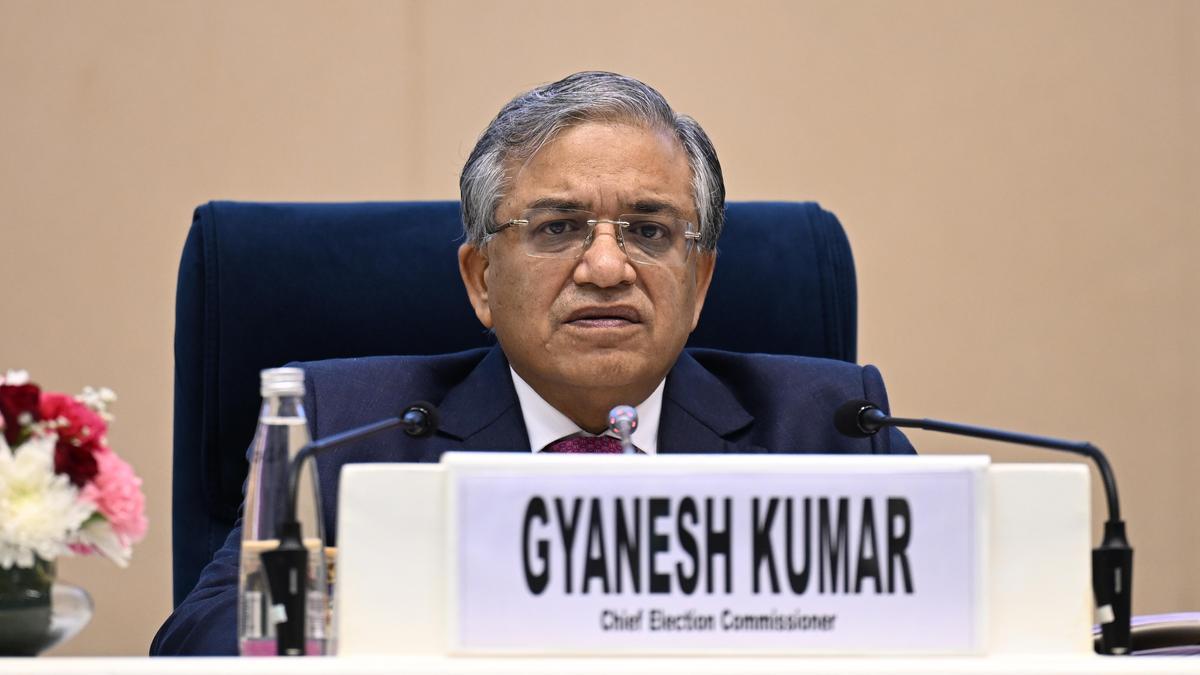
The Supreme Court has agreed to hear next week a plea seeking the suspension of Chief Election Commissioner Gyanesh Kumar from office. The development comes amid ongoing scrutiny of the Election Commission's functioning, though the specific grounds for the petition and the petitioner's identity have not been detailed in the available reports. The court's decision to list the matter signals it considers the issue worthy of judicial examination, potentially setting up a significant constitutional confrontation over the independence and accountability of the country's top election official.
The Supreme Court's decision to list the petition next week confirms the gravity of the constitutional crisis: a Chief Election Commissioner is accused of unilaterally purging voters enrolled after 2003 without any statutory basis or inquiry, a move former Home Secretary R.K. Singh has called "blatantly illegal" (The Hindu). The petition correctly argues that the 2023 Act mandates unanimous decisions by the full Commission — CEC Gyanesh Kumar and Commissioners Sukhbir Singh Sandhu and Vivek Joshi — yet the Special Intensive Revision and changes to Form 6 were executed by the CEC alone (The Hindu). Congress president Mallikarjun Kharge has convened the CWC today to demand the CEC's removal, and protests erupted across Maharashtra and in Patna yesterday, signalling that this is no longer a technical dispute but a crisis of electoral legitimacy (The Hindu). The Court's early hearing is the only institutional check remaining against a CEC acting as a law unto himself.
The Supreme Court listing a petition for hearing next week is a routine procedural step, not a finding of merit or a "confirmation" of any constitutional crisis. The petitioner's claim that the CEC acted unilaterally ignores the statutory framework: the Chief Election Commissioner Act, 2023 vests the CEC with the authority to conduct the business of the Commission, and decisions are taken by majority vote, not unanimity. Former Home Secretary R.K. Singh's open letter on X is a political intervention, not a legal adjudication; he offers no specific statutory provision violated by the Special Intensive Revision, which is a well-established administrative exercise to clean electoral rolls of duplicate and deceased entries. The Congress party's protests and CWC meeting today are orchestrated political theatre ahead of state elections, not evidence of institutional collapse. The Election Commission remains fully functional, with Commissioners Sandhu and Vivek Joshi participating in all scheduled meetings, and the CEC's actions are subject to judicial review — which the Court has now agreed to provide on the merits next week.
The other side claims the 2023 Act permits majority voting and that the CEC's actions are routine administrative cleanup, but the petition explicitly argues the statute requires unanimous decisions by all three Commissioners for ECI business (The Hindu). R.K. Singh's specific allegation — that voter names enrolled after 2003 were removed without any basis or enquiry — goes well beyond routine de-duplication of deceased or duplicate entries (The Hindu). The Congress CWC meeting today and protests across eight Maharashtra districts plus Patna yesterday reflect a broad political consensus that the Special Intensive Revision and Form 6 changes were executed unilaterally, not a manufactured crisis (The Hindu). The Court's decision to grant early hearing next week signals it considers the statutory interpretation and the scope of the revision serious enough to require urgent adjudication, not routine judicial review.
The petitioners' rebuttal simply restates their interpretation of the 2023 Act as fact while ignoring the statutory text: the Act vests business conduct in the CEC and provides for majority decision-making, not unanimity. R.K. Singh's allegation about post-2003 enrolments remains an unsubstantiated claim in an open letter, not evidence of statutory violation, and the Special Intensive Revision targets duplicate and deceased entries — a routine roll-cleaning exercise the Commission has conducted for decades. Political protests and a CWC meeting convened by the Congress president are evidence of partisan mobilisation, not institutional dysfunction; the Commission continues to function with all three Commissioners participating in scheduled meetings. The Supreme Court's decision to list the matter next week provides the proper forum for adjudicating these competing statutory readings, and the Commission will defend its actions on the merits before the Court.
The Supreme Court agreed yesterday to list next week a petition seeking the suspension of Chief Election Commissioner Gyanesh Kumar, who is accused by former Home Secretary R.K. Singh of unilaterally removing voters enrolled after 2003 without basis or inquiry (The Hindu). Both sides agree the Court will hear the case urgently, but they fundamentally disagree on whether the 2023 Act requires unanimous decisions by all three Election Commissioners — as the petition argues — or permits majority decision-making vested in the CEC, as the Commission contends. The load-bearing question is whether the Special Intensive Revision and Form 6 changes were a routine administrative cleanup of duplicate and deceased entries or a statutorily unauthorized purge executed by the CEC alone. Congress has convened a CWC meeting today and protests erupted across Maharashtra and in Patna yesterday, but the Commission maintains all three Commissioners continue to function and the Court's listing is a procedural step, not a finding of merit (The Hindu).
The Supreme Court agreed to list and hear early a petition challenging CEC Gyanesh Kumar's unilateral exercise of authority.
The HinduThe petition seeks suspension of CEC Gyanesh Kumar from office pending final hearing.
The HinduSenior advocate Vikas Singh and advocates Sudeep Chandra and Mudit Gupta represented petitioner Rakesh Kumar Singh.
The HinduThe oral mentioning for early hearing was made before Chief Justice of India Surya Kant.
The HinduThe CJI agreed to list the petition next week.
The HinduThe petition states that Election Commissioners Sukhbir Singh Sandhu and Vivek Joshi must conduct ECI business through unanimous decisions.
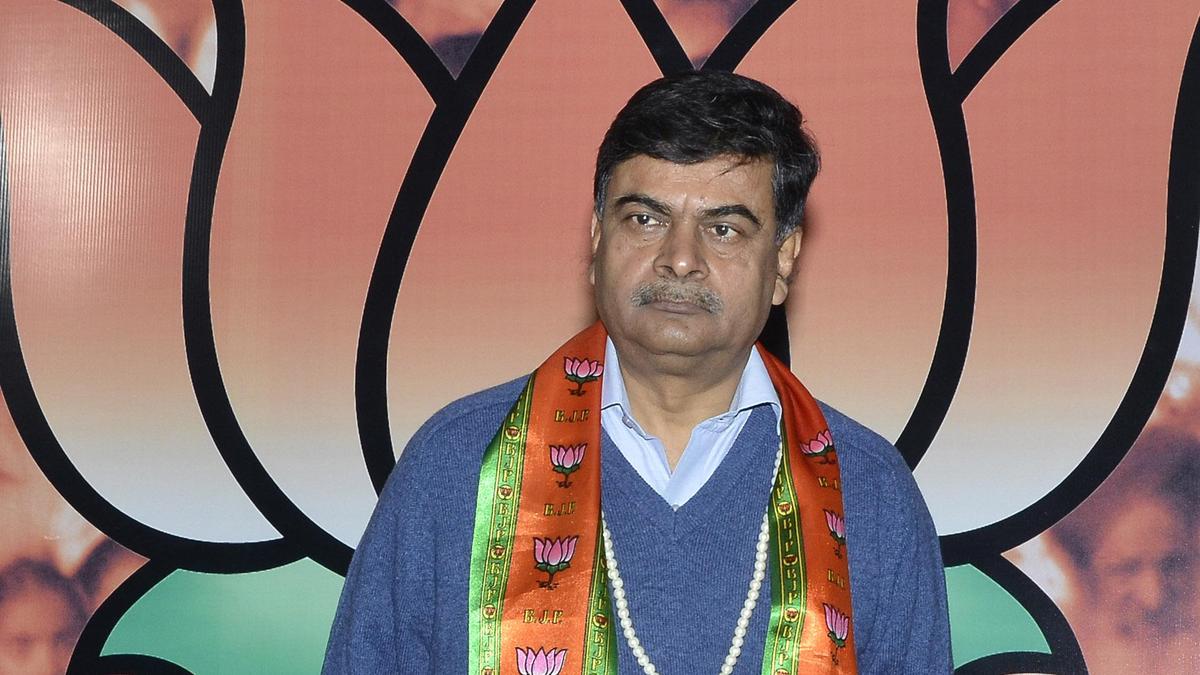
The HinduFormer Union Home Secretary R.K. Singh accused CEC Gyanesh Kumar of removing voter names listed after 2003 without basis or enquiry.
The HinduR.K. Singh called the removal of voter names 'blatantly illegal' in an open letter posted on X on September 28, 2026.
The HinduR.K. Singh urged Opposition parties to boycott elections until the CEC and Election Commissioners resign.
The HinduCongress president Mallikarjun Kharge announced a CWC meeting on September 29, 2026 to discuss ECI issues and demand Gyanesh Kumar's removal.
The HinduThe CWC meeting will discuss internal differences in the ECI, the Special Intensive Revision of electoral rolls, and changes to Form 6.
The HinduCongress held protest marches across Maharashtra on September 28, 2026 demanding Gyanesh Kumar's removal and arrest.
The HinduProtests were held outside district collectorates in Pune, Nagpur, Nashik, Kolhapur, Solapur, Thane, Amravati and Chhatrapati Sambhajinagar.
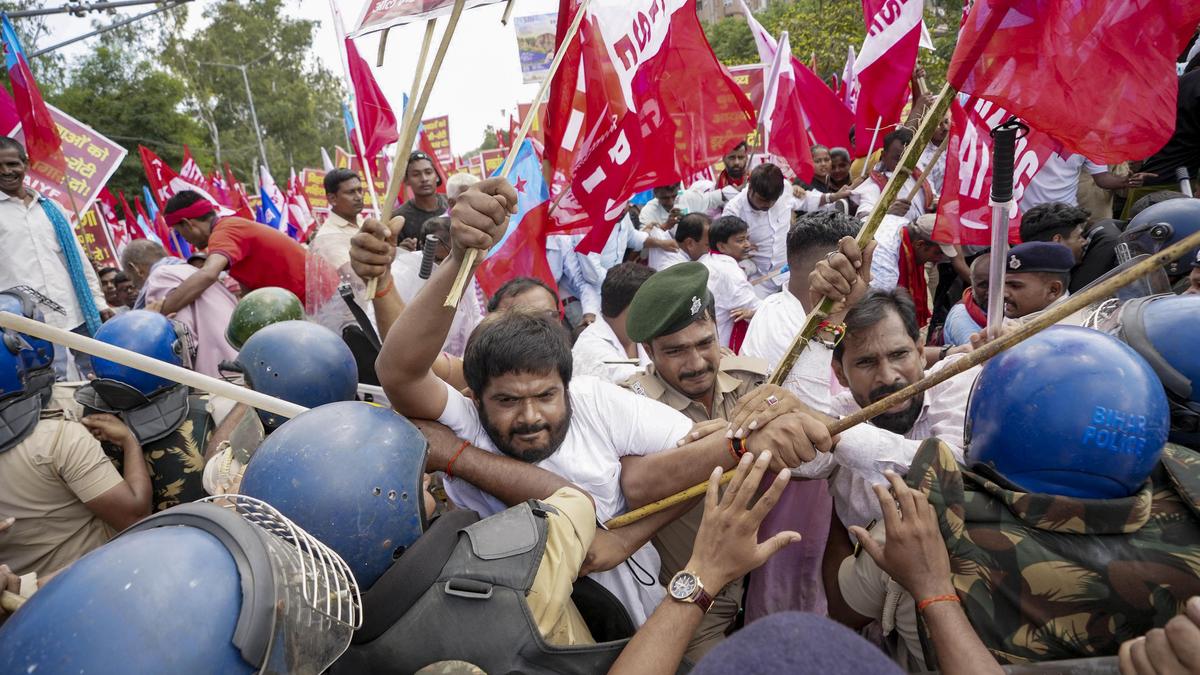
The HinduClashes erupted in Patna on September 28, 2026 during a protest seeking CEC Gyanesh Kumar's resignation and cancellation of the SIR.
The Hindu
The Hindu