AFSPA Extended in Parts of Manipur, Nagaland and Arunachal Pradesh
The Union Ministry of Home Affairs has extended the Armed Forces Special Powers Act for six months beginning October 1, 2026, across designated disturbed areas in the three northeastern states.
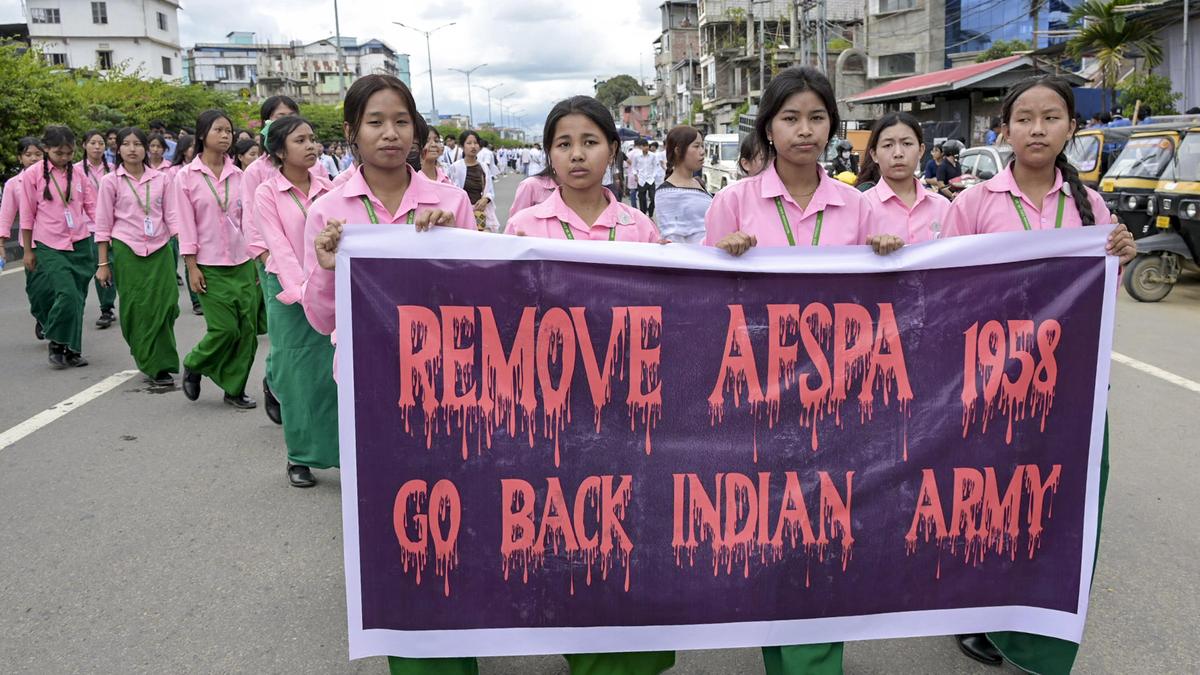
The Armed Forces (Special Powers) Act (AFSPA) has been extended in parts of Manipur, Nagaland, and Arunachal Pradesh, renewing a legal framework that grants the military sweeping powers to arrest, search, and use force in areas designated as "disturbed." The law has long been a flashpoint in India's northeast, where critics argue it enables impunity for rights abuses while the government maintains it is essential for counter-insurgency operations. The latest extension comes amid ongoing ethnic violence in Manipur that has killed over 200 people since May 2023, and a fragile ceasefire landscape in Nagaland where peace talks with Naga groups have stalled. In Arunachal Pradesh, the extension applies only to three districts bordering Assam, reflecting a gradual rollback from the law's once-wider footprint across the region.
The Union Ministry of Home Affairs has extended the Armed Forces (Special Powers) Act, 1958, in parts of Manipur, Nagaland and Arunachal Pradesh for six months beginning October 1, 2026 (The Hindu). In Manipur, the entire state has been declared a “disturbed area” under the Act, barring the jurisdictions of 13 police stations spread across five Valley districts: Imphal, Lamphel, City, Singjamei, Patsoi, Wangoi, Porompat, Heingang, Irilbung, Thoubal, Bishnupur, Nambol and Kakching (The Hindu).
The order comes against the backdrop of the ethnic conflict that erupted in Manipur on May 3, 2023. Before the violence broke out, AFSPA had been progressively withdrawn from several areas of the state. The Ministry of Home Affairs began restoring it in some areas after the security situation deteriorated (The Hindu). The conflict has killed more than 200 people since May 2023, according to official tallies cited in earlier government statements.
In Nagaland, the Act will continue in nine districts — Dimapur, Niuland, Chumoukedima, Mon, Kiphire, Noklak, Phek, Peren and Meluri — as well as in areas under 21 police stations in five other districts: Kohima, Mokokchung, Longleng, Wokha and Zunheboto (The Hindu). The extension maintains a security architecture that has persisted despite a ceasefire with major Naga groups that has held, in fits and starts, since 1997. Peace talks between the Centre and Naga negotiators have stalled over the demand for a separate flag and constitution, leaving the legal framework for military deployment intact.
In Arunachal Pradesh, the Act has been extended in Tirap, Changlang and Longding districts, and in areas under the Namsai, Mahadevpur and Chowkham police stations in Namsai district bordering Assam (The Hindu). The limited geographical application reflects a gradual rollback from the law’s once-wider footprint across the state, where insurgency-linked violence has declined significantly over the past decade.
उग्रवाद किंवा गंभीर अंतर्गत सुरक्षेच्या समस्यांमुळे "अशांत" म्हणून घोषित केलेल्या क्षेत्रांमध्ये सशस्त्र दलांना विशेष अधिकार देण्यासाठी AFSPA हा कायदा 1958 मध्ये लागू करण्यात आला होता (The Hindu). एकदा एखादे क्षेत्र कलम 3 अंतर्गत अधिसूचित झाले की, सुरक्षा जवानांना असे अधिकार मिळतात जे सामान्य पोलिसांकडे नसतात: मनाई आदेशांचे उल्लंघन करून कृती करणाऱ्या व्यक्तींवर प्राणघातक ठरणाऱ्या शक्तीसह बळाचा वापर करण्याचा अधिकार; वॉरंटशिवाय अटक करण्याचा अधिकार; आणि वॉरंटशिवाय जागेत प्रवेश करून झडती घेण्याचा अधिकार (The Hindu). या कायद्यांतर्गत कारवाई करणाऱ्या जवानांना कायदेशीर संरक्षणही मिळते — खटला भरण्यासाठी, दावा दाखल करण्यासाठी किंवा इतर कायदेशीर कारवाईसाठी केंद्र सरकारच्या पूर्वपरवानगीची आवश्यकता असते (The Hindu). हे असाधारण अधिकार आणि केंद्राच्या परवानगीशिवाय खटल्यापासून मिळणारे संरक्षण यामुळेच AFSPA हा कायदा वादग्रस्त ठरला आहे (The Hindu).
कलम 3 अंतर्गत एखादे क्षेत्र अशांत क्षेत्र म्हणून घोषित करण्याचा अधिकार केंद्र सरकार आणि राज्य सरकार या दोघांकडेही आहे (The Hindu). अनेक दशकांपर्यंत मणिपूर सरकारने स्वतःच अशांत क्षेत्राची अधिसूचना जारी केली होती. 1981 पासून राज्यात AFSPA लागू असला तरी, मंत्रालयाने (Ministry of Home Affairs) या अधिसूचनेचे वेळोवेळचे नूतनीकरण करण्याचे काम मोठ्या प्रमाणावर राज्य सरकारवर सोडले होते, ही पद्धत 3 मे 2023 च्या वांशिक हिंसाचारानंतर बदलली (The Hindu). नागा हिलमधील उठावाचा बिमोड करण्यासाठी हा कायदा पहिल्यांदा प्रभावात आला, त्यानंतर आसाममधील उग्रवादासाठी आणि तेव्हापासून वेगवेगळ्या टप्प्यांवर तो इतर ईशान्येकडील राज्यांमध्ये आणि जम्मू-काश्मीरमध्ये लागू करण्यात आला आहे.
ताज्या मुदतवाढीमुळे एका अशा कायदेशीर चौकटीचे नूतनीकरण झाले आहे, जी भारताच्या ईशान्येकडील राज्यांमध्ये दीर्घकाळापासून वादाचा मुद्दा ठरली आहे. मानवाधिकार उल्लंघनासाठी यामुळे शिक्षा होत नाही, असा युक्तिवाद टीकाकार करतात; तर उग्रवादविरोधी कारवायांमधे हा कायदा अत्यंत आवश्यक आहे, असे सरकारचे म्हणणे आहे. मणिपूरमधील संघर्ष अद्याप सुटलेला नाही आणि नागा शांतता चर्चा रखडलेली आहे, त्यामुळे आता सहा महिन्यांच्या या कालावधीनुसार पुढील आढावा एप्रिल 2027 मध्ये घेतला जाईल.
The Hindu