मुख्य निवडणूक आयुक्त ज्ञानेश कुमार यांच्या हकालपट्टीच्या मागणीसाठी दिल्लीत आंदोलक ताब्यात
निवडणूक आयोगाने मुख्य निवडणूक आयुक्त ज्ञानेश कुमार यांचे नियोजित युवा जनजागृती कार्यक्रम पुढे ढकलले आहेत, जरी उपलब्ध अहवालांमध्ये या विलंबाची नेमकी कारणे स्पष्ट करण्यात आलेली नाहीत. आयोगाच्या व्यापक मतदार सहभाग मोहिमेचा एक भाग म्हणून तरुण मतदारांना जोडण्यासाठी हे कार्यक्रम आयोजित केले होते. आगामी निवडणूक चक्रांच्या पार्श्वभूमीवर निवडणूक आयोगाकडून मतदार जनजागृती उपक्रम सुरू असतानाच हा निर्णय पुढे ढकलण्यात आला आहे.
मुख्य निवडणूक आयुक्त ज्ञानेश कुमार यांचे युवा जनजागृती कार्यक्रम काल "पुढे ढकलण्याचा" निवडणूक आयोगाचा निर्णय म्हणजे त्यांचे पद आता टिकण्यासारखे राहिलेले नाही, याची अप्रत्यक्ष कबुलीच आहे. 23 सप्टेंबर रोजी समोर आलेल्या एका गोष्टीमुळे या वादाला तोंड फुटले. 10 महिन्यांच्या कालावधीत दोन विद्यमान निवडणूक आयुक्तांनी, सुखबीर सिंग संधू आणि विवेक जोशी यांनी 14 वेगवेगळ्या प्रसंगी औपचारिकपणे आक्षेप नोंदवले होते - ही संस्थात्मक एकमताच्या मोडकळीस आलेली स्थिती आहे, जी निवडणूक आयोगाच्या एकमताच्या किंवा बहुमताच्या संमतीच्या घटनात्मक आदेशावर थेट घाव घालते. मतदारयाद्यांच्या विशेष कसून फेरतपासणीसारख्या (Special Intensive Revision) अत्यंत संवेदनशील मुद्द्यांवर जेव्हा मुख्य निवडणूक आयुक्त सहकाऱ्यांचे मतभेद डावलतात, तेव्हा ते एका घटनात्मक संस्थेला स्वतःची वैयक्तिक जहागिरी बनवतात.
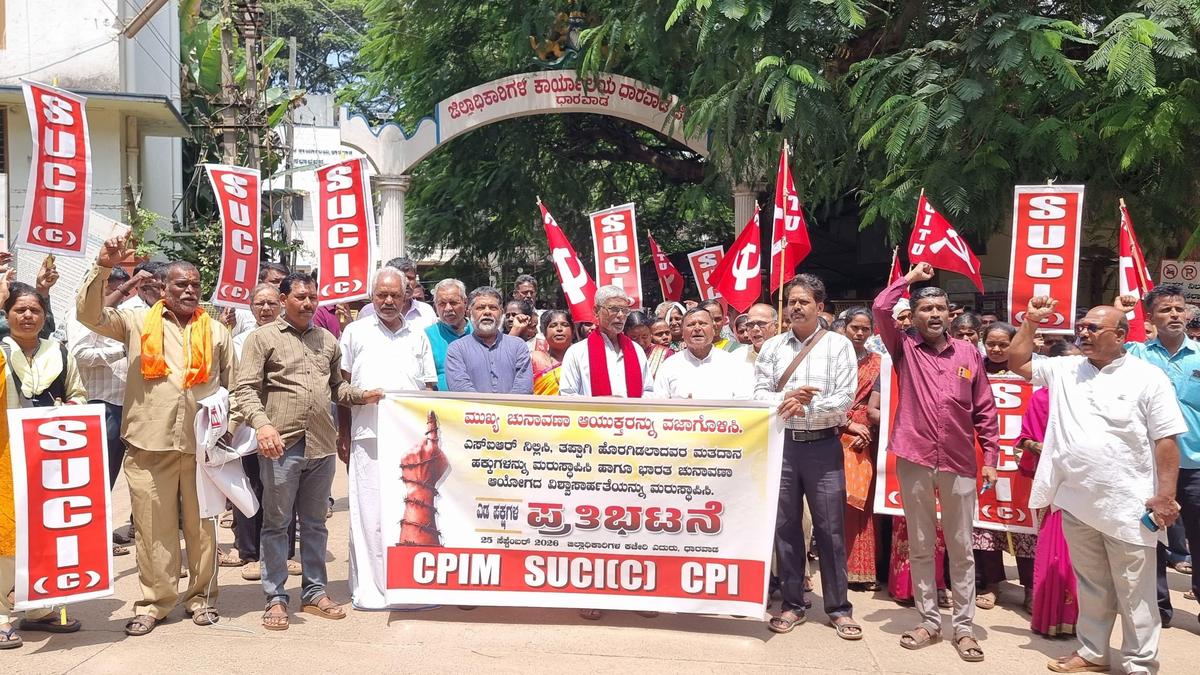
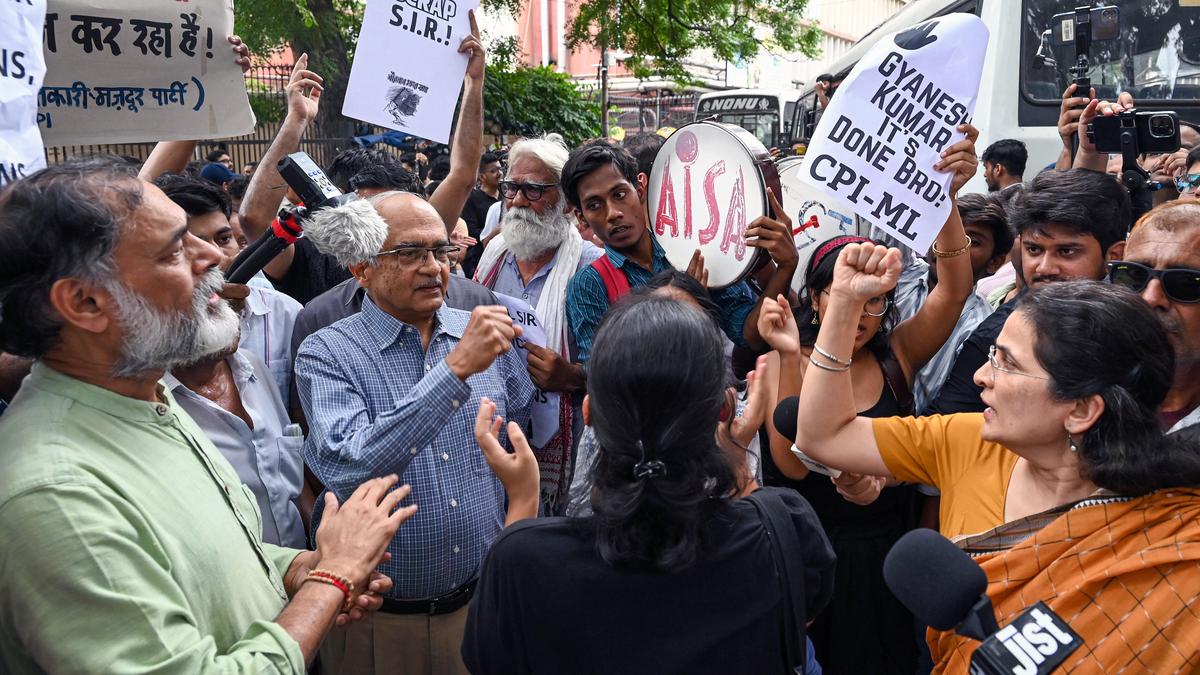
कालची निदर्शने कोणतीही उत्स्फूर्त संतापाची लाट नव्हती, तर ती एक समन्वित राष्ट्रीय प्रतिक्रिया होती: मुख्य निवडणूक आयुक्तांच्या हकालपट्टीची आणि एसआयआर (SIR) थांबवण्याच्या मागणीसाठी काँग्रेस, डावे पक्ष, एसएफआय आणि आयसा यांनी दिल्ली, पाटणा, धारवाड आणि विजयवाडा येथे मोर्चेबांधणी केली. दिल्लीत पोलिसांनी देवेंद्र यादव, दीपांकर भट्टाचार्य आणि नेहरा बोरा यांच्यासह सुमारे 90 आंदोलकांना ताब्यात घेतले; पाटण्यात मुख्य निवडणूक अधिकाऱ्यांच्या कार्यालयाकडे मार्च काढणाऱ्या काँग्रेस कार्यकर्त्यांवर वॉटर कॅननचा वापर करण्यात आला; तर धारवाडमध्ये डाव्या पक्षांनी डेप्युटी कमिश्नर यांच्यामार्फत राष्ट्रपतींना निवेदन सादर केले. निवडणूक आयोगाची विश्वासार्हता "पूर्णपणे रसातळाला गेली आहे," असे केरळचे विरोधी पक्षनेते पिनराई विजयन यांनी स्पष्टपणे म्हटले आहे. निवडणूक आयोगाने स्वतःच्या आयुक्तांनी दस्तावेज केलेल्या वैधतेच्या संकटावर पडदा टाकण्यासाठी हा कार्यक्रम पुढे ढकलण्याचा डॅमेज-कंट्रोलचा प्रयत्न केला आहे, जो लपून राहत नाही.
मतदार-शिक्षण उपक्रमाचे राजकारण टाळण्यासाठी युवा जनजागृती कार्यक्रम पुढे ढकलणे हा एक नेहमीचा प्रशासकीय निर्णय आहे, मुख्य निवडणूक आयुक्तांच्या वैधतेवरील माघार नाही. निवडणूक आयोग (सेवेच्या शर्ती) कायदा, 1991 नुसार निवडणूक आयोग बहुमताच्या आधारे काम करतो आणि सामूहिक संस्थांमध्ये असहमती नोंदवणे ही एक सामान्य बाब आहे – यामुळे मतदारयाद्या तयार करण्याच्या आयोगाच्या घटनात्मक कर्तव्याला कोणताही लकवा लागत नाही. विशेष कसून फेरतपासणी (Special Intensive Revision) हा लोकप्रतिनिधी कायद्यानुसार ठरवून दिलेल्या वेळेत पार पाडायचा एक वैधानिक उपक्रम आहे आणि राजकीय मागणीवरून तो थांबवणे म्हणजे पुढील निवडणूक चक्रापूर्वी अचूक मतदारयाद्या राखण्याच्या निवडणूक आयोगाच्या कर्तव्याचा भंग ठरेल. निषेध आदेशांचे उल्लंघन केल्याबद्दल आणि परवानगीशिवाय एकत्र जमल्याबद्दल दिल्ली पोलिसांनी जंतरमंतर आणि निर्वाचन सदन येथे आंदोलकांना ताब्यात घेतले, ही निदर्शने सार्वजनिक सुव्यवस्थेच्या अटींचे उल्लंघन करत असतानाची मानक कायद्याची अंमलबजावणी प्रक्रिया आहे.
The claim that recorded dissent is a "normal feature" of collegiate bodies ignores the scale: 14 formal objections by two Commissioners over 10 months on matters including the Special Intensive Revision is not routine disagreement — it is a sustained breakdown of the consensus the EC's constitutional authority rests on. The postponement came the day after this record became public and after coordinated protests in Delhi, Patna, Dharwad, and Vijayawada demanding the CEC's removal and a halt to the SIR; calling it a "routine administrative decision" to avoid politicisation strains credulity when the CEC's own colleagues have documented his override of their objections. Kerala LoP Pinarayi Vijayan stated the EC's credibility has been "completely undermined" — a judgment rooted in the Commissioners' own dissent, not political rhetoric. Detaining roughly 90 protesters including Devender Yadav, Dipankar Bhattacharya, and Nehra Bora at Jantar Mantar and Nirvachan Sadan, and using water cannons on Congress workers in Patna, treats a legitimacy crisis as a law-and-order problem.
The Opposition's rebuttal conflates recorded dissent with institutional paralysis. The Election Commission (Conditions of Service) Act, 1991 explicitly provides for majority decision-making; dissenting opinions are recorded precisely so the Commission can function despite disagreement — a design feature, not a breakdown. The Special Intensive Revision remains a statutory obligation under the Representation of the People Act with fixed timelines; suspending it because political parties demand the CEC's removal would subordinate a constitutional mandate to street pressure. Delhi Police enforced prohibitory orders at Jantar Mantar and Nirvachan Sadan after protesters gathered without permission — standard procedure upheld by courts repeatedly. The postponement of a youth outreach programme is an administrative call to keep a voter-education initiative non-partisan; reading it as a concession confuses scheduling with substance.
The Election Commission postponed CEC Gyanesh Kumar's youth outreach programmes on September 25, a day after media reports revealed two Election Commissioners had recorded formal objections on 14 occasions over 10 months (The Hindu). Opposition parties and student groups — including Congress, Left parties, SFI, and AISA — held coordinated protests in Delhi, Patna, Dharwad, and Vijayawada demanding the CEC's removal and a halt to the Special Intensive Revision of electoral rolls, with roughly 90 protesters detained in Delhi and water cannons used in Patna (The Hindu). The EC and Delhi Police maintain the postponement was a routine administrative decision to keep voter education non-partisan and that recorded dissent is a normal feature of the Commission's majority-vote structure under the 1991 Act, while the SIR remains a statutory obligation. The load-bearing question is whether the scale and substance of the documented internal dissent represents a routine collegiate difference or a legitimacy crisis that undermines the EC's constitutional authority.
Around 90 protesters were detained in Delhi on September 25, 2026, demanding CEC Gyanesh Kumar's removal and arrest.
The HinduDelhi Police detained around 50 protesters from Jantar Mantar for gathering without permission.
The HinduDelhi Congress Chief Devender Yadav, CPI(ML) Liberation General Secretary Dipankar Bhattacharya, and AISA President Nehra Bora were among those detained.
The HinduAnother protest was held by Students' Federation of India (SFI) outside Nirvachan Sadan.
The HinduNew Delhi DCP Sachin Sharma said 50-60 protesters were detained from Jantar Mantar.
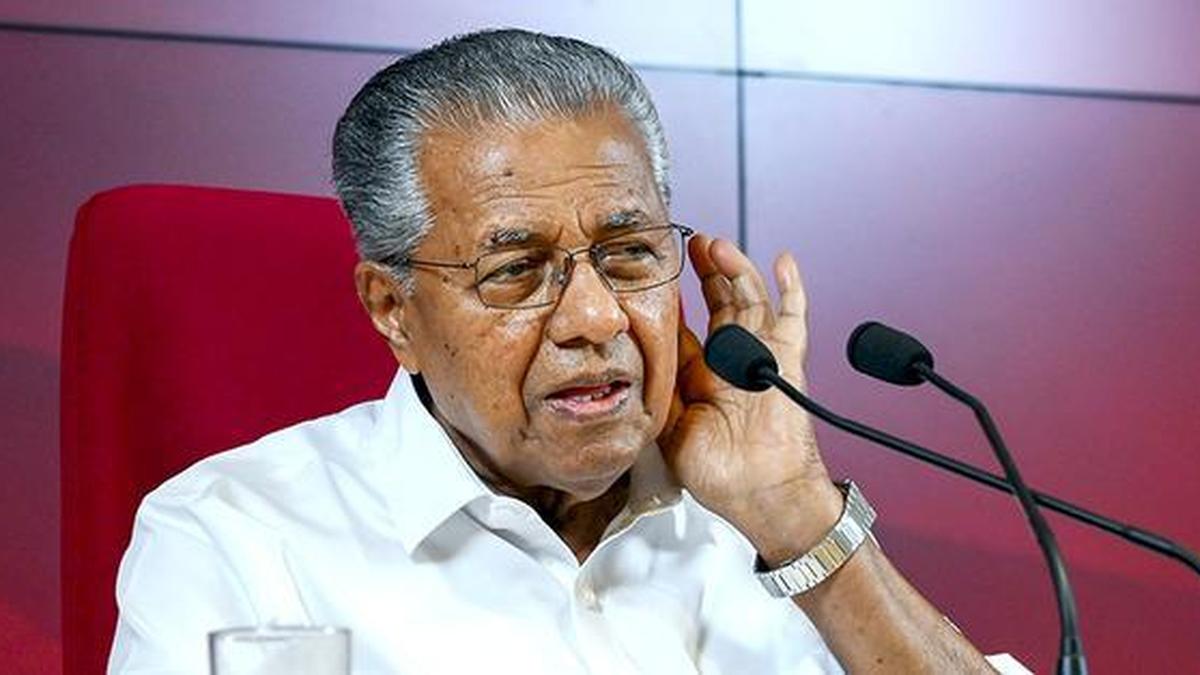
The HinduKerala Leader of Opposition Pinarayi Vijayan demanded immediate removal of CEC Gyanesh Kumar.
The HinduPinarayi Vijayan said the credibility of the Election Commission had been completely undermined.
The HinduPinarayi Vijayan cited media reports about CEC Gyanesh Kumar dismissing objections by Election Commissioners Sukhbir Singh Sandhu and Vivek Joshi.
The HinduLeft parties protested in Dharwad seeking removal of CEC Gyanesh Kumar and halt to Special Intensive Revision (SIR) of electoral rolls.
The HinduLeft parties submitted a memorandum to the President through the Deputy Commissioner in Dharwad.
The HinduThe Dharwad protest followed a September 23 media report that two Election Commissioners recorded objections on 14 occasions over 10 months.
The HinduBihar Congress staged a protest in Patna on September 25, 2026, against CEC Gyanesh Kumar.
The HinduBihar Police used water cannons to disperse Congress workers attempting to reach the Chief Electoral Officer's premises.
The HinduLeft parties in Vijayawada demanded removal of CEC Gyanesh Kumar and suspension of the Special Intensive Revision (SIR) of electoral rolls.
The Hindu
The Hindu