Nepal Plans to Drain Four Glacial Lakes Following Deadly Floods
Yesterday, following deadly floods, Nepal announced plans to drain four of its glacial lakes to mitigate future risks.
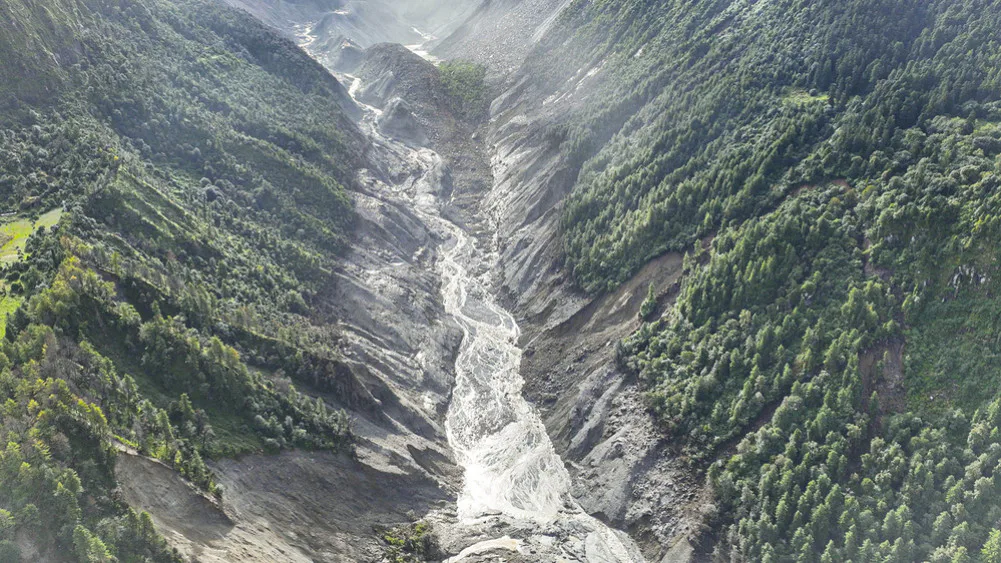
Nepal is moving to lower water levels in four high-altitude glacial lakes after a series of deadly floods highlighted the growing risks from melting ice. The decision follows recent catastrophic flooding events that killed dozens of people and destroyed infrastructure, which scientists link to accelerating glacial melt driven by climate change. Authorities plan to install early warning systems and siphon water from the most dangerous lakes to reduce pressure on natural dams. The effort reflects broader regional concerns as Himalayan glaciers shrink, increasing the frequency of glacial lake outburst floods across Nepal and neighboring countries.
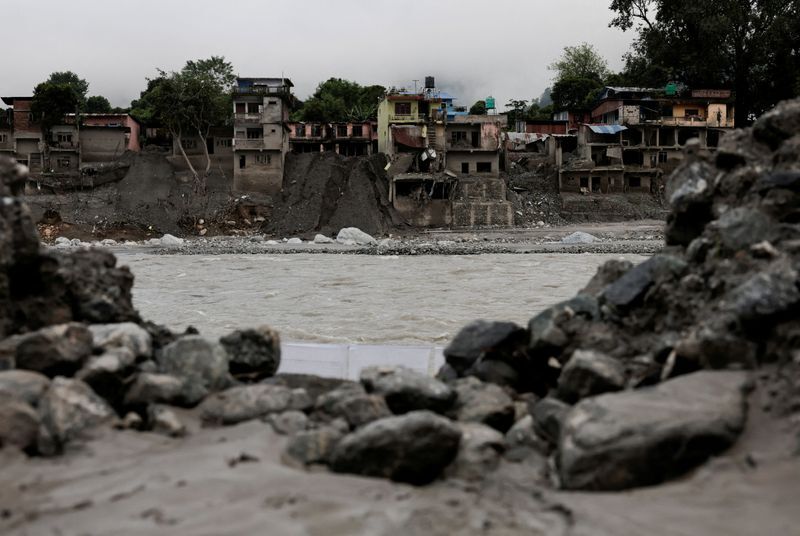
Nepal will lower water levels in four high-altitude glacial lakes after a string of deadly outburst floods exposed the growing hazard of melting ice in the Himalayas, Reuters reported on Thursday. The decision follows catastrophic flooding events in recent months that killed dozens of people and destroyed roads, bridges and hydropower infrastructure, prompting authorities to accelerate mitigation work on the most unstable lakes.
Government officials said the plan involves installing siphon pipes to drain excess water and reduce pressure on the natural moraine dams that hold the lakes in place. Early warning sensors will also be deployed downstream to give communities more time to evacuate if a dam fails. The four lakes were selected based on satellite monitoring and field surveys that showed rapid expansion driven by accelerated glacial melt, a trend scientists link directly to rising temperatures across the Hindu Kush-Himalaya region.
Glacial lake outburst floods, or GLOFs, have become more frequent in Nepal and neighbouring countries as permanent ice fields shrink and leave behind growing bodies of meltwater held back by loose rock and sediment. When those dams breach — from erosion, seismic activity or sheer water pressure — the resulting surge can scour valleys kilometres downstream with little warning. The recent disasters have underscored the limits of existing monitoring networks and the urgency of structural interventions.
The drainage programme is expected to begin before the next monsoon season, though officials cautioned that high-altitude logistics, limited weather windows and the remoteness of the sites could slow implementation. International partners, including the World Bank and ICIMOD, have been consulted on technical design and funding. While the four lakes represent the most immediate threats, Nepal’s Department of Hydrology and Meteorology has identified more than 20 others classified as potentially dangerous, leaving open the question of how quickly the country can scale up its response across the wider Himalayan arc.
Reuters India