Supreme Court Warned Nearly Four Decades Ago That Exclusive CEC Powers Threaten Democracy
Yesterday, reports highlighted a historical Supreme Court warning that leaving unchecked authority in a single Chief Election Commissioner's hands would render other commissioners non-functional.
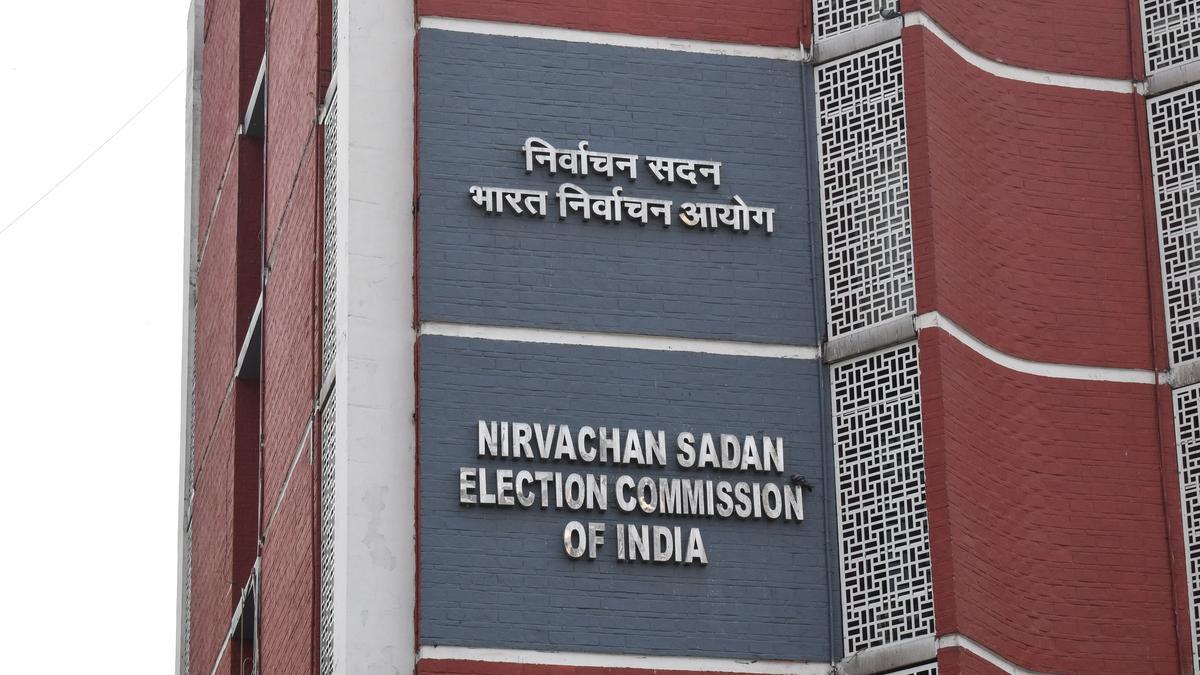
The Supreme Court had previously warned that a "superior" Chief Election Commissioner could render fellow Election Commissioners "non-functional," raising concerns about the balance of power within the poll body. This observation came amid ongoing scrutiny regarding the operational dynamics and statutory safeguards governing the Election Commission of India. The issue highlights longstanding debates over the institutional autonomy of Election Commissioners relative to the Chief Election Commissioner.
The Supreme Court warned nearly four decades ago that a Chief Election Commissioner who considers himself superior and his word final would render fellow Election Commissioners “non-functional or ornamental,” according to an article published by The Hindu on Saturday. The court had held that leaving the “exclusive and uncontrolled” powers of the Election Commission of India in the hands of one person would violate democratic rule.
The observation resurfaced in a report published on September 26, 2026, highlighting a long-standing judicial concern regarding the internal balance of power within the poll body. The Supreme Court’s past ruling emphasized that the statutory framework governing the Election Commission was designed to prevent the concentration of authority in a single individual, arguing that such centralisation would undermine the democratic principles the institution is mandated to uphold.
The warning addressed the operational dynamics between the Chief Election Commissioner and the two Election Commissioners, a structure intended to function as a multi-member body. By flagging the risk of a “superior” CEC reducing colleagues to ornamental figures, the court underscored the necessity of collective decision-making and mutual accountability within the commission.
The article did not specify the exact case or year of the original Supreme Court pronouncement, nor did it link the historical observation to any specific recent controversy or administrative decision within the Election Commission. The context of the report’s publication on Saturday remains limited to the reiteration of the court’s decades-old caution regarding the institutional autonomy of Election Commissioners relative to the Chief Election Commissioner.
The Hindu