‘कॉक्रोच’ आंदोलकांकडून भारताच्या मुख्य निवडणूक आयुक्तांच्या राजीनाम्याची मागणी
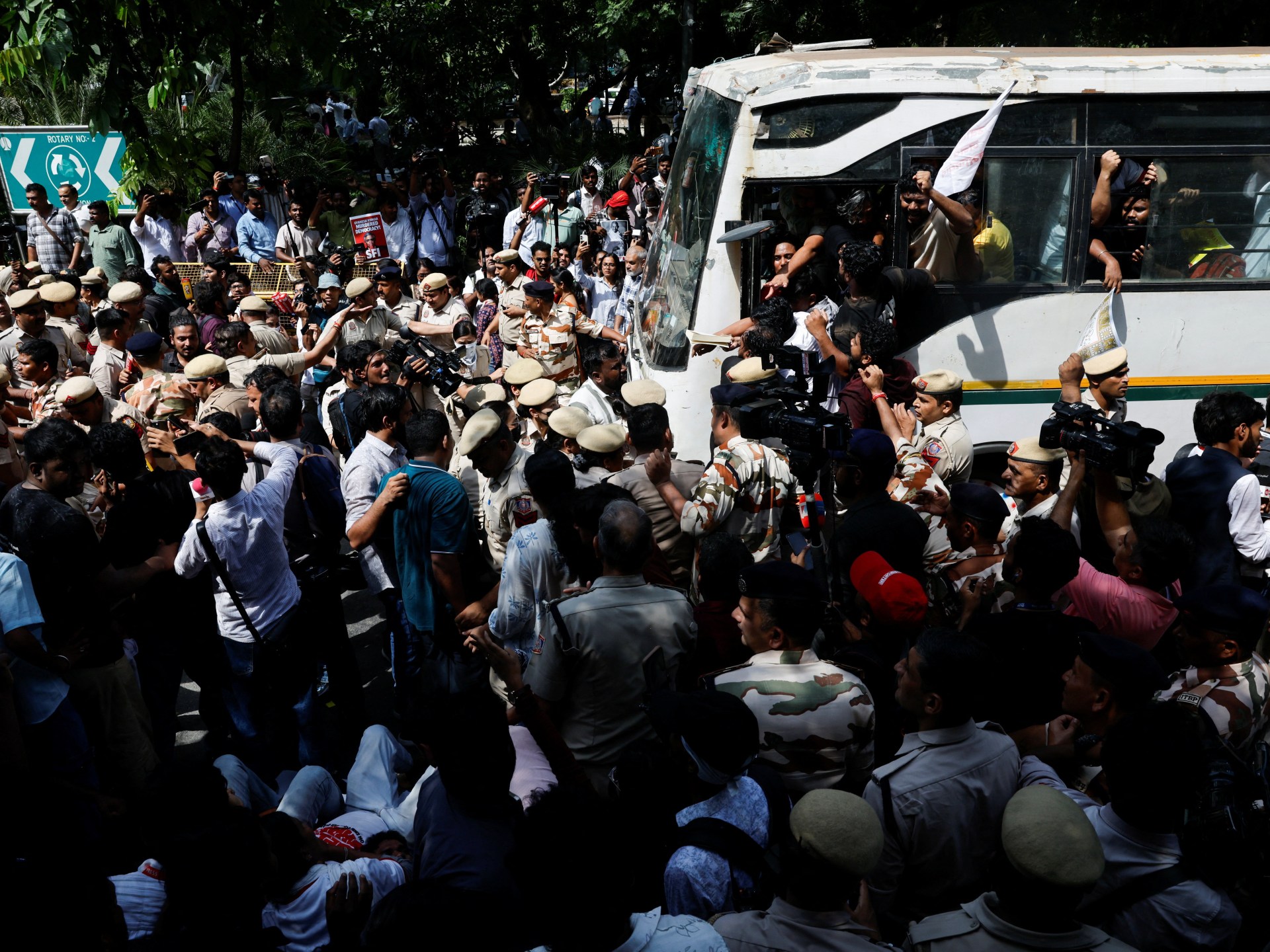
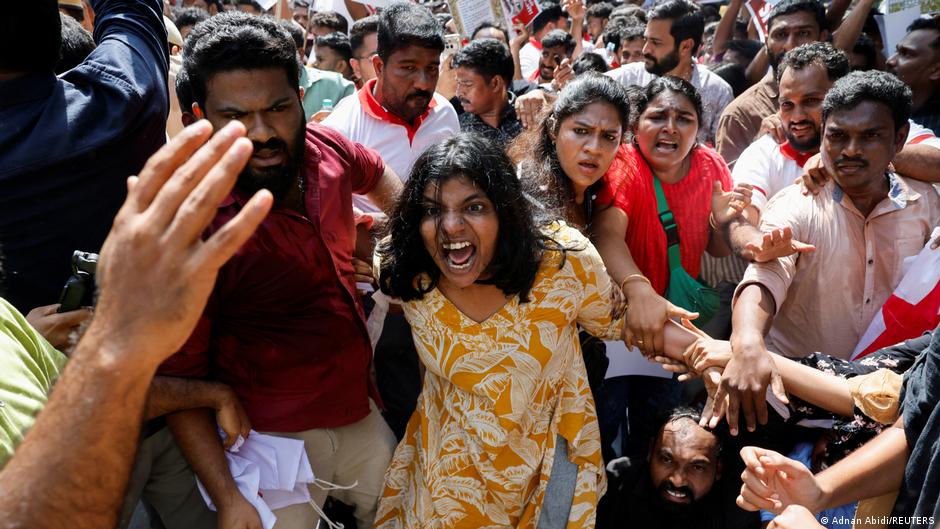
"कॉक्रोच" (Cockroach) चळवळ म्हणून स्वतःची ओळख सांगणाऱ्या आंदोलकांनी मुख्य निवडणूक आयुक्त ज्ञानेश कुमार यांच्या राजीनाम्याची मागणी करण्यासाठी नवी दिल्ली आणि मुंबईत रस्तedaवर उतरून निदर्शने केली. मतदार यादीतून मतदारांची नावे चुकीच्या पद्धतीने वगळण्यात आली असून मतदार यादीत फेरफार करण्यात आल्याच्या आरोपांमुळे विद्यार्थी संघटना आणि विरोधी पक्षांच्या युतीने हे आंदोलन पुकारले आहे.
The 'Cockroach' movement is not a fringe outburst but a necessary alarm raised by student coalitions and opposition forces in New Delhi and Mumbai against the systematic manipulation of voter rolls that has deleted legitimate citizens from the electoral register (AP India, Google News India, Reuters India). Chief Election Commissioner Gyanesh Kumar bears direct responsibility for an institution that has lost public trust because it has failed to answer how names vanish without notice or audit trail. The demand for his resignation is the only proportional response when the guardian of the franchise becomes the instrument of its erosion.
The 'Cockroach' movement frames the demand for resignation as a proportional response to alleged voter roll manipulation, but offers no specific instance where the Commission acted outside the statutory framework governing electoral roll revisions. The Election Commission operates under the Representation of the People Act, 1950, and the Registration of Electors Rules, 1960, which mandate periodic revision, deletion of duplicate or ineligible entries, and a statutory objection-and-hearing process before any name is removed. Allegations of "deletion without notice or audit trail" contradict the legal requirement that every deletion be preceded by a notice in Form 7 and an opportunity to be heard, with appeals lying to the District Election Officer and the Chief Electoral Officer. The Commission has consistently maintained that the current revision cycle follows the same transparent, rule-bound procedure used in every election cycle since 1950, and has invited any aggrieved voter to file a claim under Form 6 or an objection under Form 7 at any designated location. Resignation of the Chief Election Commissioner would politicise a constitutional office designed to be insulated from precisely this kind of pressure, and would set a precedent that any protest — however unsubstantiated — can force the head of an independent body from office.
The Commissioner invokes Form 7 notices and statutory hearings as proof of due process, but the protesters' core charge is that those very notices were never served or were served at wrong addresses, making the "opportunity to be heard" illusory for thousands of deleted voters (AP India, Google News India, Reuters India). Citing the rulebook does not rebut the allegation that the rulebook was ignored in practice. The Commission has not released aggregate data on how many Form 7 notices were actually delivered versus returned undelivered, nor has it opened its deletion logs for independent audit — transparency that would settle the dispute instantly if the process were truly clean. Student coalitions and opposition forces in New Delhi and Mumbai are demanding that accountability, not the office's politicisation.
The protesters' rebuttal shifts from alleging "no process" to alleging "flawed execution" of the very statutory process they previously ignored, yet still offers no quantified evidence — no sample size, no district-level data, no audit report — to substantiate the claim that Form 7 notices were systematically undelivered. The Election Commission's deletion logs are maintained at the Electoral Registration Officer level and are open for inspection by any citizen under the Registration of Electors Rules; the remedy for a missed notice is a claim application under Form 6, which the Commission has publicly urged voters to file at any designated centre. Demanding the Chief Election Commissioner's resignation over unverified execution complaints in a single revision cycle, while the statutory correction mechanism remains open and unused by the complainants, conflates administrative grievance with constitutional crisis and threatens the insulation that allows the Commission to resist pressure from any quarter — including the very student coalitions and opposition forces now marching in New Delhi and Mumbai.
Protesters and the Election Commission agree that voter roll revisions are underway and that names have been removed, but they disagree on whether the legally mandated notice-and-hearing process was actually followed for those deletions. The protesters allege Form 7 notices were not delivered or sent to wrong addresses, making hearings illusory, while the Commission maintains the statutory framework was observed and deletion logs are open for inspection, though it has not released aggregate delivery data. The load-bearing question is whether the Commission will publish the notice-delivery and deletion records that would verify or falsify the claim of systematic procedural failure.
Protesters known as the 'Cockroach' movement demand the resignation of India's Chief Election Commissioner Gyanesh Kumar.
AP India · Google News India · Reuters IndiaThe protests are driven by allegations of voter roll manipulation and deletion of voters from electoral rolls.
AP India · Google News India · Reuters IndiaThe Cockroach Janta Party (CJP) is a Gen Z-led group involved in the protests.
Google News IndiaThe AP News article is titled 'Cockroach protesters demand India's election chief resign over voter list changes'.
AP IndiaReuters reported on the 'cockroach' youth party and student groups protesting for the poll chief's resignation.
Reuters IndiaDW.com reported hundreds gathered in central Delhi demanding Gyanesh Kumar's resignation.
Google News India
AP India·Google News India·Reuters India