Rajiv Gauba Urges Reforms and Stronger Regulation for Energy Security
Yesterday, Shri Rajiv Gauba called for enhanced market-oriented reforms and institutional capacity to advance India's energy security and support the vision of Viksit Bharat@2047.
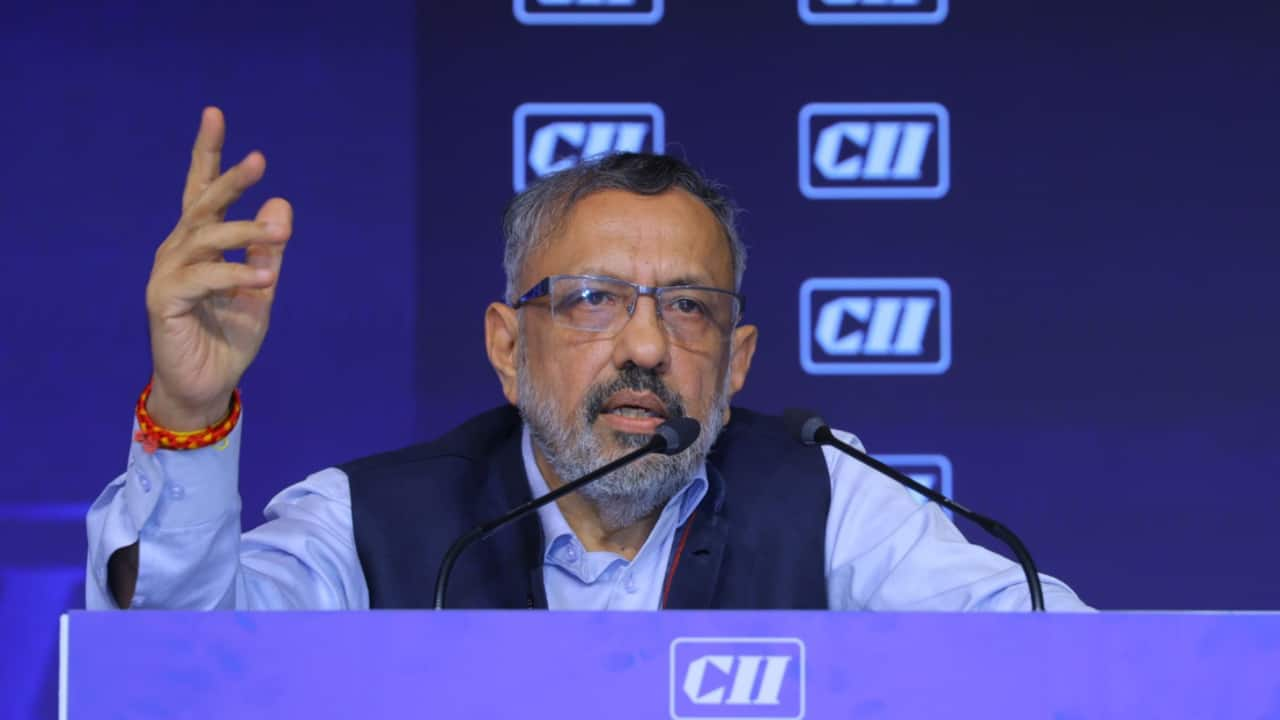
Former Cabinet Secretary Rajiv Gauba has urged stronger regulation, market-oriented reforms and greater institutional capacity to bolster India's energy security and advance the government's Viksit Bharat@2047 vision for a developed nation by 2047. His remarks, released by the Press Information Bureau, frame regulatory and market changes as essential steps toward meeting long-term energy demands.
Former Cabinet Secretary Rajiv Gauba has called for a recalibration of India's energy governance framework, arguing that stronger regulation, market-oriented reforms and expanded institutional capacity are prerequisites for securing the country's long-term energy needs. The remarks were released by the Press Information Bureau on Friday, framing the proposed changes as essential pillars for the government's Viksit Bharat@2047 vision, which targets developed-nation status by the centenary of independence.
In the statement, Gauba identified regulatory depth as a critical gap in the current architecture. He contended that existing oversight mechanisms need to be fortified to keep pace with the complexity of modern energy markets, which are increasingly shaped by decarbonisation targets, grid integration of renewable sources, and evolving consumer demand patterns. Without a corresponding upgrade in regulatory muscle, he suggested, policy intent risks stalling at the implementation stage.
The former bureaucrat also pressed for a decisive shift toward market-oriented mechanisms. He argued that price signals and competitive structures should play a larger role in allocating capital and fuel across the electricity, oil and gas value chains. Such reforms, he said, would improve efficiency, attract private investment and reduce the fiscal burden of administered pricing regimes that have historically distorted consumption and investment decisions.
Institutional capacity formed the third leg of his argument. Gauba emphasised that regulators, system operators and policy-making bodies require deeper technical expertise, data infrastructure and operational autonomy to manage a transitioning energy system. He warned that institutional weakness could become a binding constraint on the rollout of new technologies, storage solutions and market designs that the 2047 roadmap implicitly assumes.
The intervention carries weight given Gauba's tenure as Cabinet Secretary until August 2024 and his prior stints in the Ministry of Home Affairs and the Jharkhand cadre, which spanned both central and state-level energy administration. His public articulation of these priorities signals a continuity of concern within the senior bureaucracy about the structural readiness of the energy sector to support an economy projected to grow at 6-7 per cent annually for the next two decades.
The PIB release did not specify whether the recommendations were made at a closed-door consultation, a public forum, or in a written submission to a current policy review. It also did not indicate if the government has formally adopted any of the proposed measures.

PIB