India Considers Lowering Pulse Import Duties to Lower Prices
Yesterday, sources reported that India is considering cutting import duties on pulses in an effort to cool domestic prices.
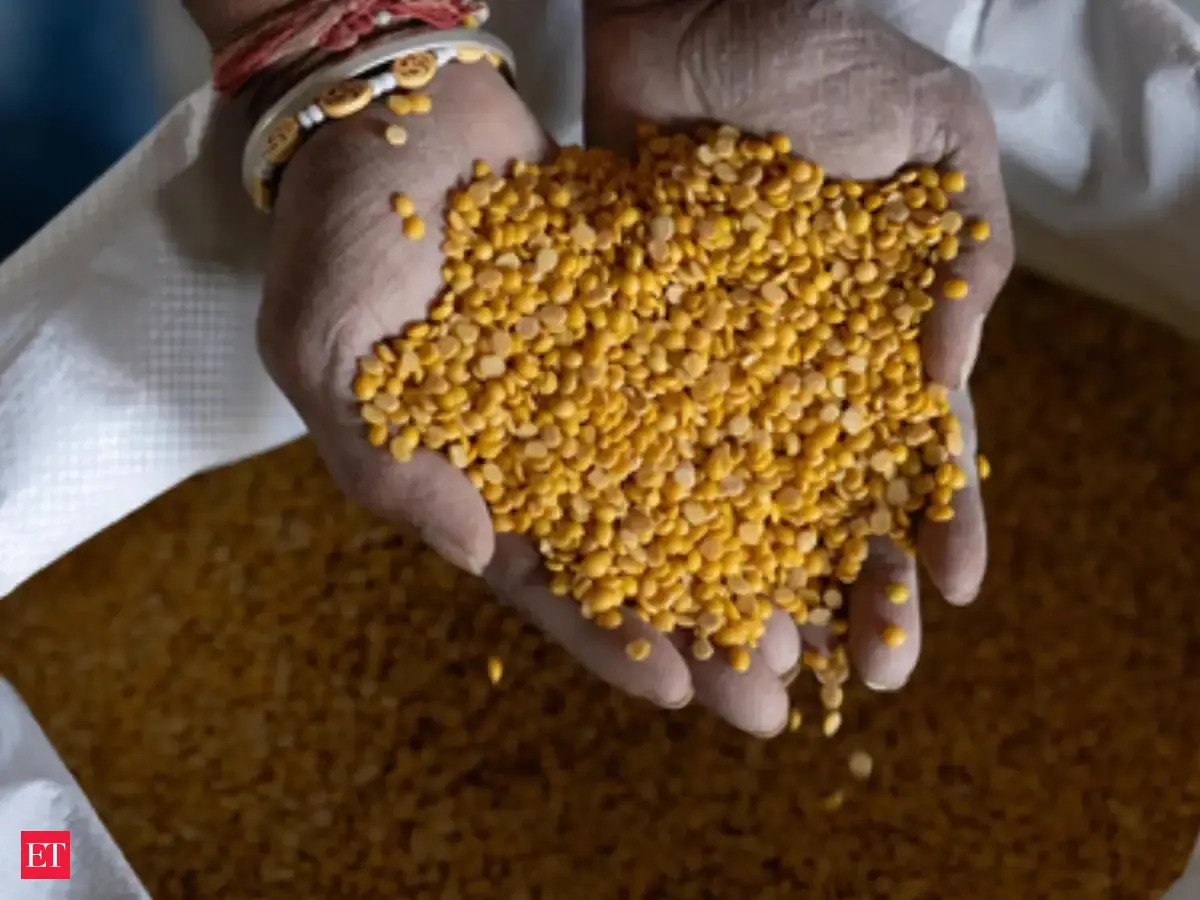
India is considering reducing import duties on pulses to help lower domestic prices, according to sources cited by Reuters. The potential move comes as the government seeks to cool food inflation by making imported pulses cheaper and increasing domestic supply.
India is considering a reduction in import duties on pulses as part of efforts to temper domestic food inflation, according to government sources cited by Reuters on Wednesday. The potential policy shift aims to make overseas shipments cheaper and boost local supply at a time when protein prices remain a persistent component of the consumer price basket.
The deliberations come against a backdrop of sticky food inflation that has complicated the Reserve Bank of India’s monetary easing cycle. While headline inflation cooled slightly in August, driven partly by a favourable base effect and moderating vegetable prices, the price of pulses—a primary protein source for a significant portion of the population—has remained elevated due to lower domestic output in the previous crop year and tight global supplies (Reuters India).
Current import duties vary by variety; yellow peas attract a 50% tariff, while lentils and chickpeas face duties of 33% and 66% respectively. A cut would effectively lower the landed cost of imports from major suppliers such as Canada, Australia, and Myanmar, potentially transmitting lower prices to wholesale mandis and retail markets ahead of the key festival season (Reuters India).
The move also intersects with broader external sector concerns. A separate government report highlighted this week that geopolitical tensions and elevated crude oil prices risk fuelling imported inflation, limiting the space for aggressive fiscal or monetary stimulus (Reuters India). Cheaper pulse imports could offset some of that pressure on the food sub-index without requiring a drawdown on buffer stocks, which the government has been rebuilding through procurement at minimum support prices.
Officials cautioned that no final decision has been taken and that the timing and magnitude of any duty reduction are still under discussion. The Department of Consumer Affairs and the Ministry of Finance are evaluating the revenue implication against the expected disinflationary impact. A formal notification could be issued as early as the coming weeks if consensus is reached.
Google News India·Reuters India