How a 1952 Tamil Nadu Bypoll Triggered India's First Confidence Motion
From the archives — An adverse outcome in the Aruppukottai Lok Sabha by-election forced Chief Minister C. Rajagopalachari to propose the first-ever vote of confidence in an Indian legislature.
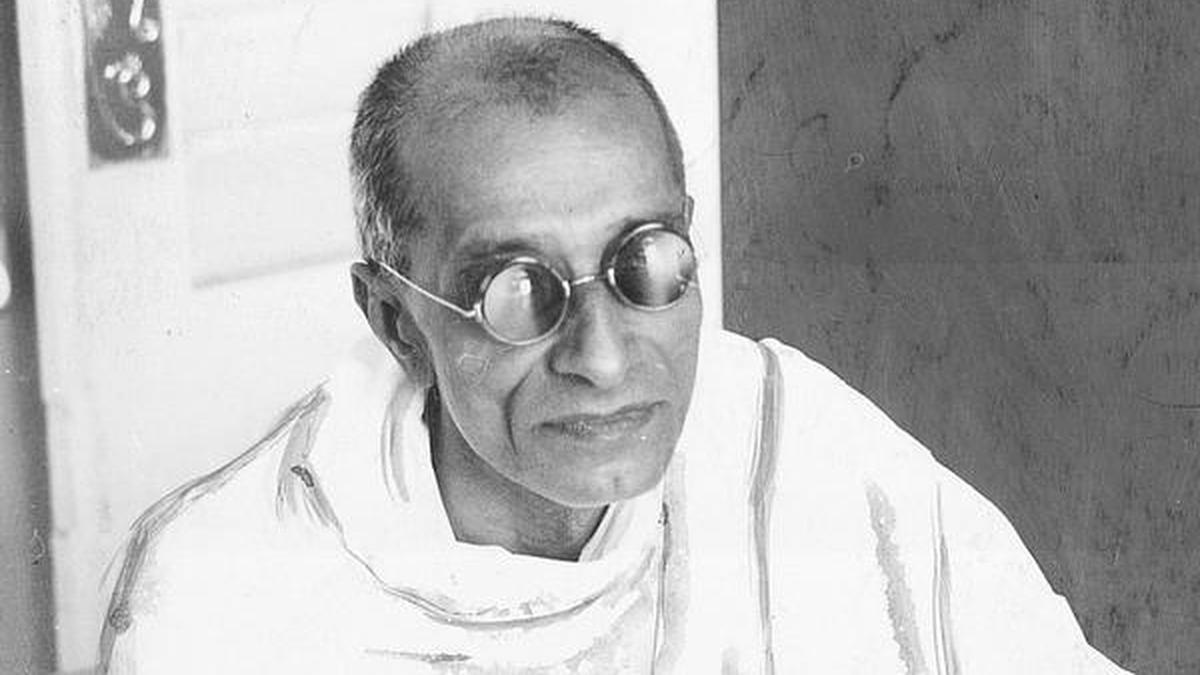
A Lok Sabha bypoll in Tamil Nadu has triggered the first Motion of Confidence in the Indian legislature, marking a significant constitutional moment. The by-election outcome appears to have created a political situation requiring the government to demonstrate its majority support in the lower house of Parliament. This development represents an unprecedented test of legislative confidence in India's parliamentary history. The specific circumstances of the bypoll and its impact on the government's parliamentary strength have necessitated this historic confidence motion.
In February 1952, India held its first general elections. By April, C. Rajagopalachari had been sworn in as Chief Minister of Madras State, leading a Congress ministry that lacked an outright majority in the Assembly. Within weeks, his government faced a test it had not anticipated: two Lok Sabha by-elections triggered almost simultaneously. One vacancy arose in Coimbatore after the death of T. A. Ramalingam Chettiar. The other, in Aruppukottai, followed the resignation of U. Muthuramalinga Thevar, a prominent Forward Bloc (Marxist Group) leader who had also won a seat in the two-member Mudukulathur Assembly constituency (The Hindu).
Aruppukottai was then regarded as the largest parliamentary constituency in the country, stretching from Rameswaram in the east to Sattur in the north (The Hindu). Rajagopalachari chose to frame both contests as a referendum on his two-month-old Council of Ministers. In Coimbatore, he asked voters whether they wanted the ministry to continue or preferred a Communist takeover. Days before polling in Aruppukottai, he stopped at Kovilpatti railway station and told the crowd the election would show to what extent people supported his government (The Hindu).
Polling in Coimbatore took place on June 14. The Congress candidate, N. M. Lingam, won decisively with 92,465 votes out of 1,49,664 polled, defeating the CPI’s Parvati Krishnan by a margin of roughly 41,300 votes (The Hindu). Nine days later, on June 23, Aruppukottai delivered a shock. The Forward Bloc (Marxist Group) nominee, M.D. Ramasamy, defeated the Congress candidate, Rajathl Kunjithapatham, by a margin of 18,835 votes (The Hindu).
The loss in a constituency the Chief Minister had personally staked his authority on forced an unprecedented constitutional improvisation. Rajagopalachari moved a vote of confidence motion in the legislature — the first time an incumbent government in India had done so — to demonstrate that the by-election reverse had not eroded its majority in the Assembly (The Hindu). The motion passed, allowing the ministry to survive, but the episode established a procedural precedent that would echo through decades of Indian parliamentary practice.
The Hindu