Gandak Embankment Breach Threatens Bihar and Uttar Pradesh with Floods
Yesterday, heavy rains in Nepal caused a breach in the Gandak river embankment, threatening multiple districts in Bihar and Uttar Pradesh amid a broader regional crisis of fatal floods affecting India, Nepal, and Thailand.
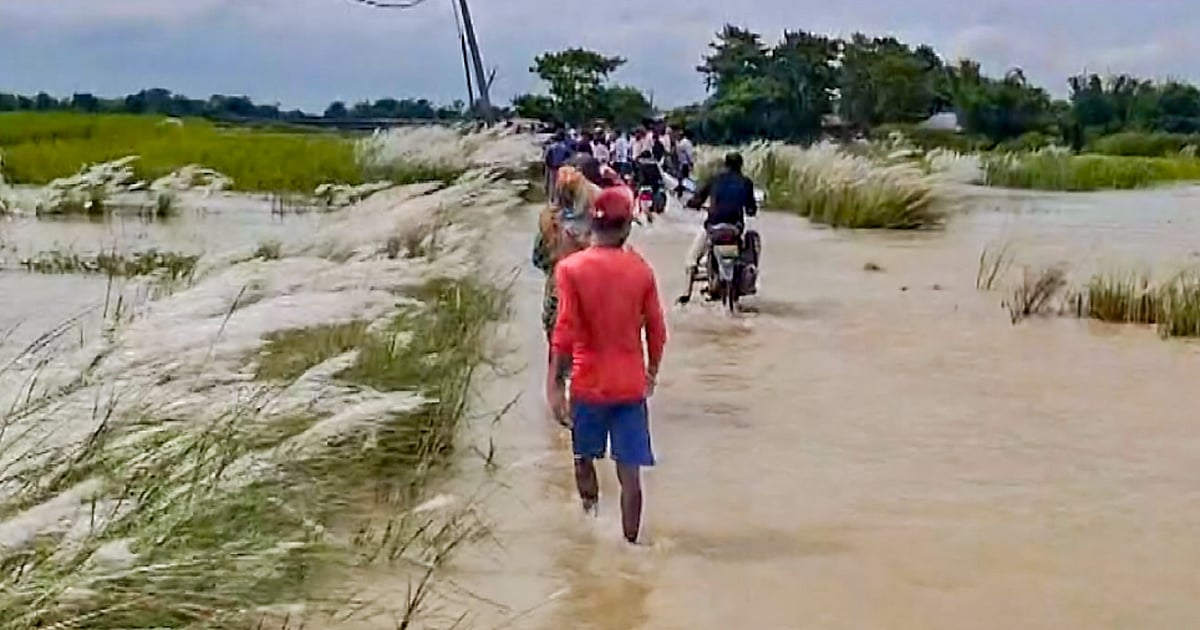
Heavy rainfall in Nepal has caused a breach in the Gandak River embankment, triggering a flood threat across several districts in Bihar and Uttar Pradesh. The Gandak, a major transboundary tributary of the Ganga originating in the Himalayas, frequently swells during the monsoon season, but a structural failure in the embankment has heightened the immediate risk to low-lying areas downstream. Authorities in both states are monitoring the situation as rising water levels threaten villages and agricultural land along the riverbanks.
Heavy rainfall in Nepal has breached an embankment on the Gandak River, sending floodwaters toward low-lying districts in Bihar and Uttar Pradesh and prompting authorities in both states to mobilise emergency responses on Tuesday (The Hindu). The Gandak, a major transboundary tributary of the Ganga that originates in the Himalayas, swelled rapidly after days of intense precipitation across its upper catchment, overwhelming the earthen structure designed to contain its monologue-season surge.
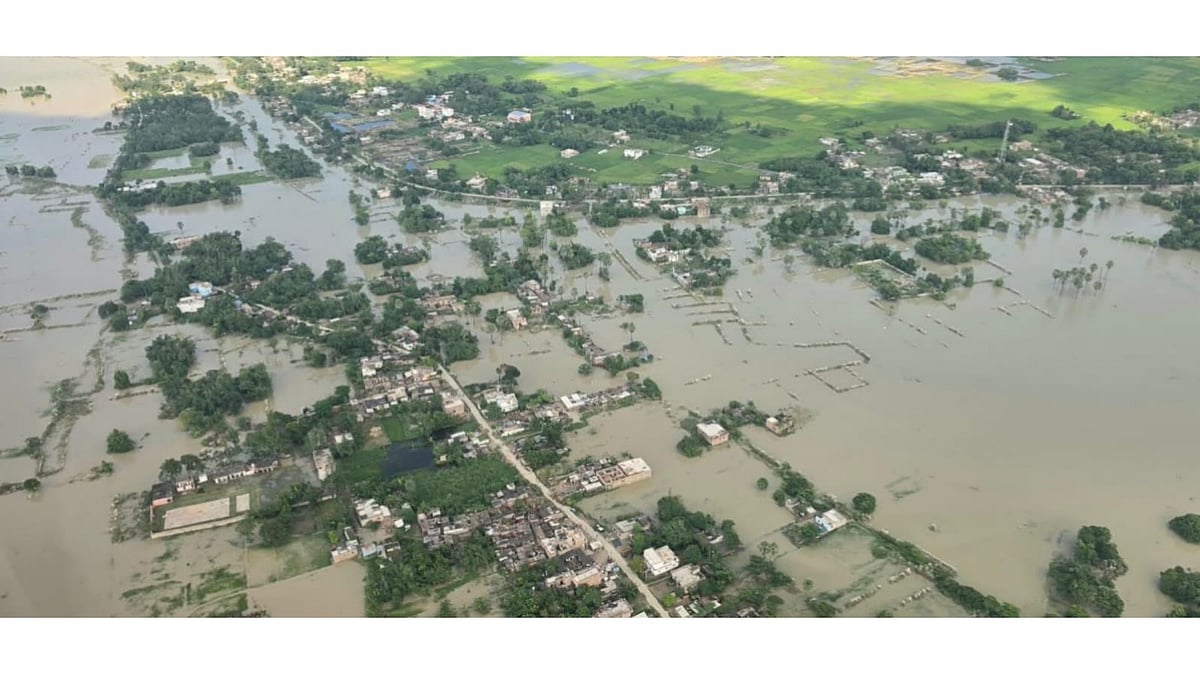
Officials said the breach occurred at a vulnerable section of the embankment where water pressure had been building for several days. As the river spilled over its banks, district administrations in West Champaran, Gopalganj, and Saran in Bihar, as well as Kushinagar and Maharajganj in Uttar Pradesh, issued alerts for villages situated along the river’s immediate floodplain. Teams from the National Disaster Response Force and state disaster management authorities were deployed to evacuate residents from the most exposed hamlets and to reinforce secondary bunds with sandbags in an attempt to slow the water’s advance toward larger settlements and standing paddy crops.
The incident underscores the recurring vulnerability of the Gandak basin, where ageing embankment infrastructure struggles to cope with increasingly erratic rainfall patterns in the Himalayan foothills. Engineers have long warned that the river’s heavy sediment load raises the riverbed annually, reducing the channel’s carrying capacity and placing greater stress on flood defences during peak discharge. While the monsoon typically brings annual inundation to the region, a structural failure of this scale converts a manageable seasonal flood into a sudden, uncontrolled deluge that leaves communities with far less warning and evacuation time.
The breach comes amid a broader pattern of severe flooding across South and Southeast Asia this monsoon season. Fatal floods have been reported in India, Nepal, and Thailand in recent weeks, straining relief resources across multiple jurisdictions (Reuters India). In Nepal, the same weather system that swelled the Gandak has triggered landslides and riverine flooding in the Terai and hill districts, complicating cross-border coordination on water management and early warning. Indian authorities have been in contact with their Nepali counterparts to monitor real-time discharge data from upstream barrages, though the breach has effectively decoupled downstream flows from regulated releases.
As of Tuesday evening, water levels in the Gandak were still rising at several gauge stations downstream of the breach. The full extent of inundation — including the number of villages affected, crop losses, and any casualties — remained unclear as assessment teams struggled to reach cut-off areas. Officials warned that the situation could deteriorate further if rainfall persists in the catchment over the next 48 hours, potentially widening the breach and extending the flood’s reach into districts not yet on alert.
Indian Express·Reuters India