Supreme Court Cancels Meeting With Parliamentary Panel on 'One Nation, One Election'
Yesterday, the Supreme Court called off a scheduled meeting with a parliamentary committee concerning the 'One Nation, One Election' proposal.
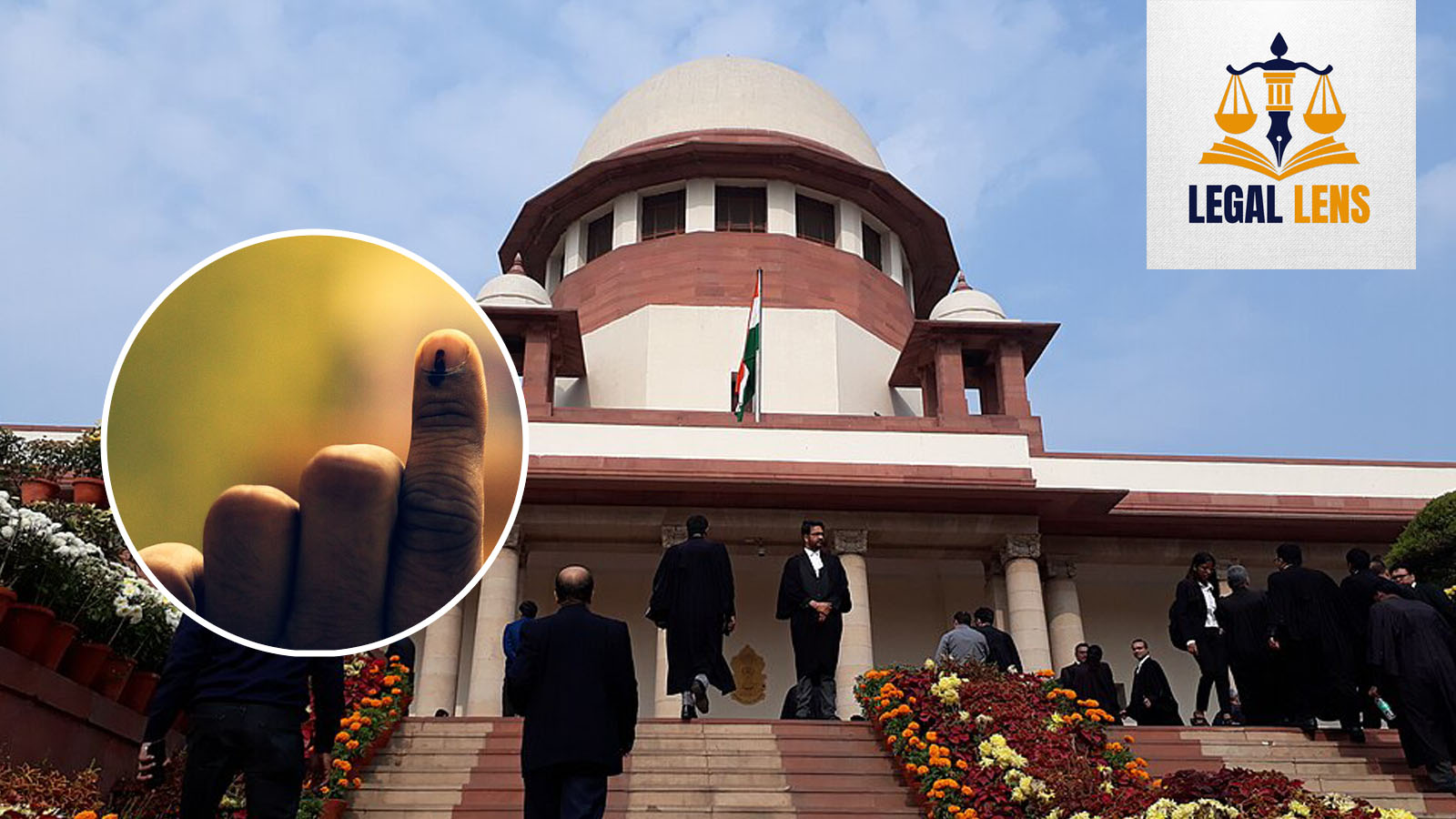
The Supreme Court has cancelled a scheduled meeting with a parliamentary panel regarding the "One Nation, One Election" proposal. The development marks a notable intersection of judicial and legislative processes on the contentious electoral reform initiative.
The Supreme Court has called off a scheduled meeting with a parliamentary panel that was set to discuss the "One Nation, One Election" proposal, The Indian Express reported on Friday. The development marks a notable intersection of the judicial and legislative branches on the contentious electoral reform initiative.
The parliamentary panel, which is examining the feasibility and framework for synchronising national and state election cycles, had sought the judiciary's perspective on the constitutional and legal implications of the proposal. The cancellation of the engagement suggests a recalibration of the formal consultation process between the two arms of the state on a subject that has triggered extensive debate regarding federalism, governance continuity, and electoral logistics.
The "One Nation, One Election" concept, which envisions simultaneous polls for the Lok Sabha and all state assemblies, has been championed by the central government as a measure to reduce election expenditure and mitigate the disruption caused by the frequent imposition of the Model Code of Conduct. Critics, including several opposition parties and constitutional experts, have argued that the move undermines the federal structure, risks centralising political discourse, and presents insurmountable logistical and constitutional hurdles, particularly regarding the premature dissolution of state assemblies.
The Supreme Court’s decision to step back from the scheduled interaction leaves the parliamentary panel to proceed with its deliberations without direct judicial input at this stage. It remains unclear whether the meeting will be rescheduled or if the court intends to engage with the subject only if a specific legal challenge arises from the legislation once drafted.
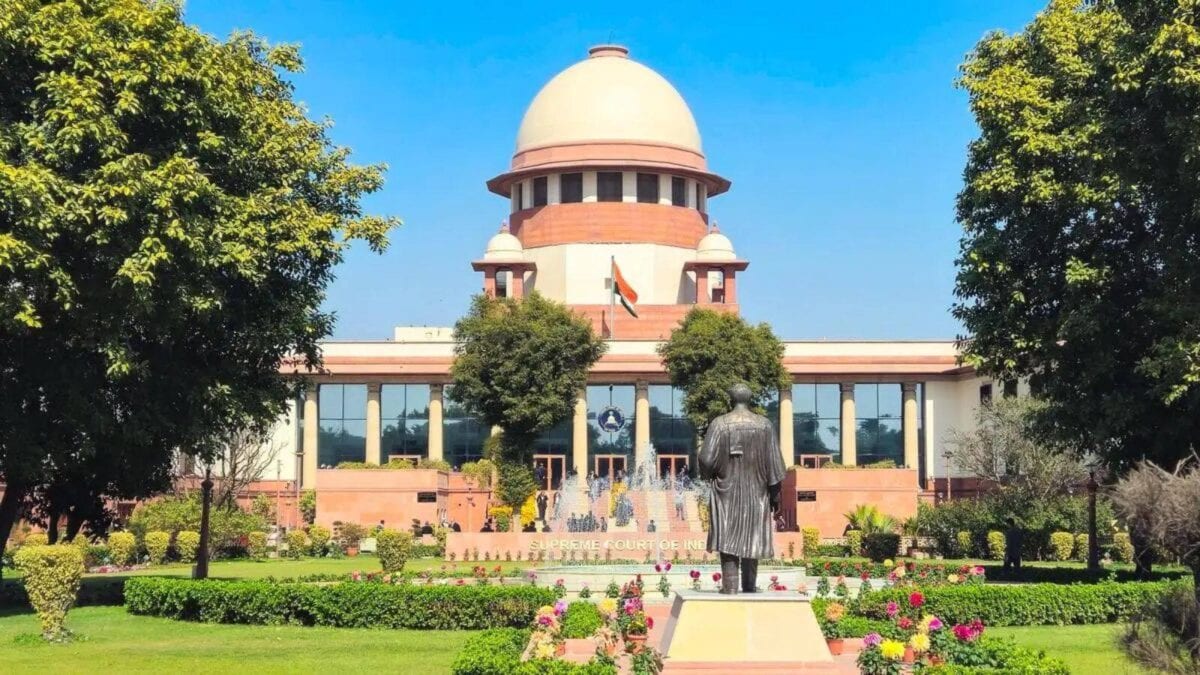
Indian Express