Rajiv Gauba Calls for Reforms to Strengthen India's Energy Security
Yesterday, Shri Rajiv Gauba emphasized the need for stronger regulation, market-oriented reforms, and institutional capacity to advance energy security and support the vision of Viksit Bharat@2047.

Former Cabinet Secretary Rajiv Gauba has called for stronger regulation, market-oriented reforms, and enhanced institutional capacity to advance India's energy security in alignment with the Viksit Bharat@2047 vision. The government's long-term development roadmap aims to transform India into a developed nation by the centenary of its independence in 2047, with energy security identified as a critical pillar. Gauba's recommendations emphasize structural changes to the energy sector's governance and market frameworks to meet rising demand and support sustainable economic growth.
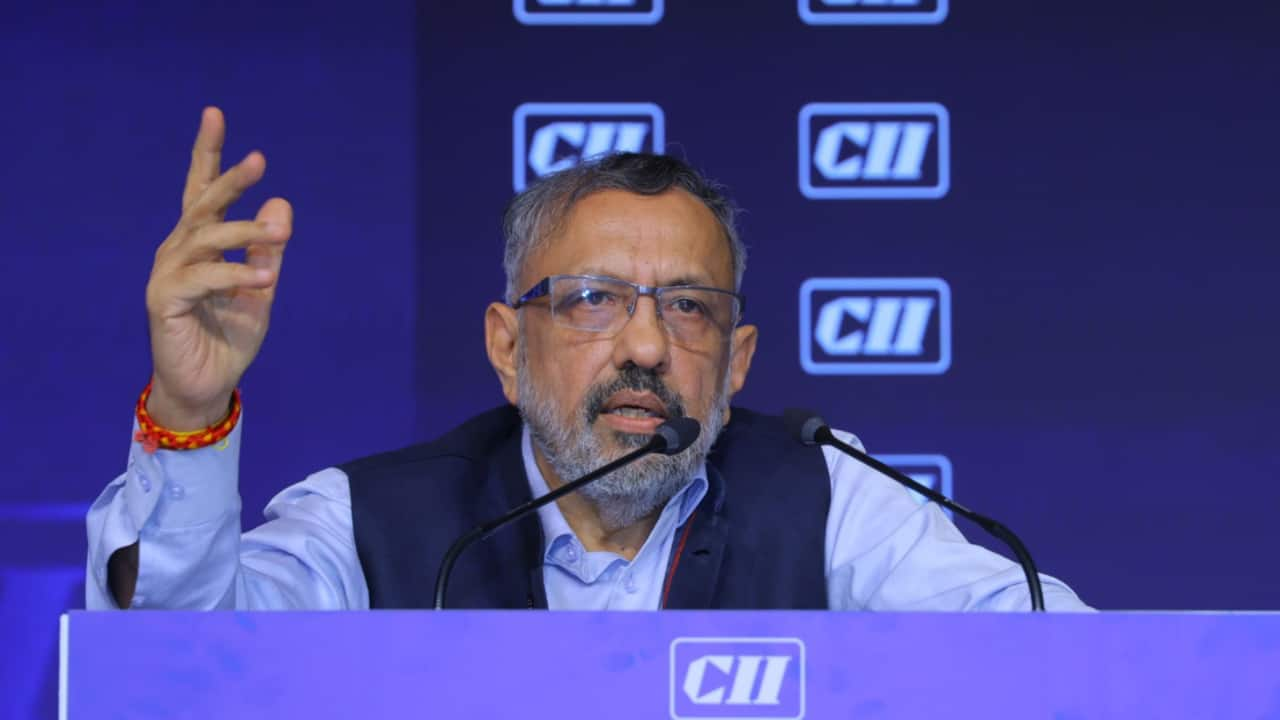
Former Cabinet Secretary Rajiv Gauba on Thursday called for stronger regulation, market-oriented reforms and enhanced institutional capacity to secure India's energy future, framing the measures as essential to the government's Viksit Bharat@2047 vision. Speaking at an event covered by the Press Information Bureau, Gauba identified energy security as a critical pillar of the long-term development roadmap that aims to transform India into a developed nation by the centenary of its independence in 2047 (PIB).
Gauba argued that the country's rising energy demand, driven by sustained economic growth, requires structural changes to the sector's governance and market frameworks. He emphasised that regulatory frameworks must be strengthened to keep pace with evolving consumption patterns and the integration of new energy sources. Without robust regulation, he suggested, the system risks inefficiencies that could undermine both affordability and reliability for end users (PIB).
The former bureaucrat also pushed for market-oriented reforms to introduce greater competition and price discovery in energy markets. He contended that current structures do not adequately incentivise efficiency or investment, particularly in areas such as power distribution and fuel supply chains. By aligning incentives through market mechanisms, Gauba said, the sector can attract the capital needed for capacity expansion and modernisation without over-reliance on budgetary support (PIB).
A third pillar of his argument centred on institutional capacity. Gauba noted that regulatory bodies, planning agencies and public sector enterprises often lack the specialised human resources and operational autonomy to execute complex, long-term projects. He called for systematic capacity building — including recruitment, training and retention of domain experts — so that institutions can design and enforce policy rather than merely administer it. The absence of such capacity, he warned, has historically led to implementation gaps that stall reforms announced at the highest levels (PIB).
Gauba's intervention comes as the government seeks to balance multiple imperatives: expanding electricity access, decarbonising the energy mix, reducing import dependence and maintaining fiscal discipline. The Viksit Bharat@2047 framework treats energy security not as a standalone target but as an enabler for manufacturing, urbanisation and digital infrastructure. Whether the political consensus exists to pursue the regulatory and market reforms Gauba outlined — particularly in the politically sensitive power distribution segment — remains an open question.
PIB