IIT-Delhi Researchers Develop Homegrown Graphics Chip for Low-Cost Devices
Researchers at IIT-Delhi have built a homegrown graphics chip designed specifically for use in low-cost devices.
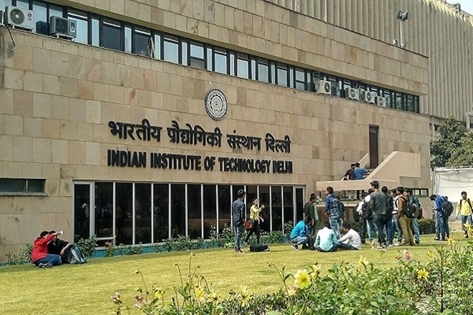
Researchers at IIT-Delhi have developed an indigenous graphics processing unit aimed at lowering the cost of devices that rely on visual computing. The chip is intended to reduce dependence on imported silicon and support affordable hardware for education, embedded systems, and other price-sensitive markets in India. The work reflects a broader push by Indian institutions to build domestic semiconductor design capability.
Researchers at the Indian Institute of Technology Delhi have fabricated an indigenous graphics processing unit designed to lower the cost of devices that rely on visual computing, according to a report published Saturday by The Indian Express. The chip targets price-sensitive segments such as education and embedded systems, where imported silicon has traditionally driven up hardware expenses.
The development marks a step in the broader effort by Indian academic institutions to build domestic semiconductor design capability. By producing a graphics processor locally, the team aims to reduce the country’s reliance on foreign vendors for a component that is increasingly common in low-end laptops, tablets, and internet-of-things devices. The Indian Express did not disclose technical specifications, tape-out status, or a timeline for commercial deployment.
Officials at IIT-Delhi have previously highlighted the institute’s work on open-source processor architectures and system-on-chip research, but this is the first public indication that a dedicated graphics core has reached the fabrication stage. The report did not specify which foundry was used or whether the design leverages an existing instruction-set architecture such as RISC-V.
Funding sources, power-performance targets, and plans for software driver support were not detailed in the article. It also remains unclear whether the chip will be licensed to Indian start-ups, transferred to a public-sector undertaking, or kept within the academic ecosystem for further research.
Indian Express